HWS News
28 September 2026 Seeing What Shapes Us
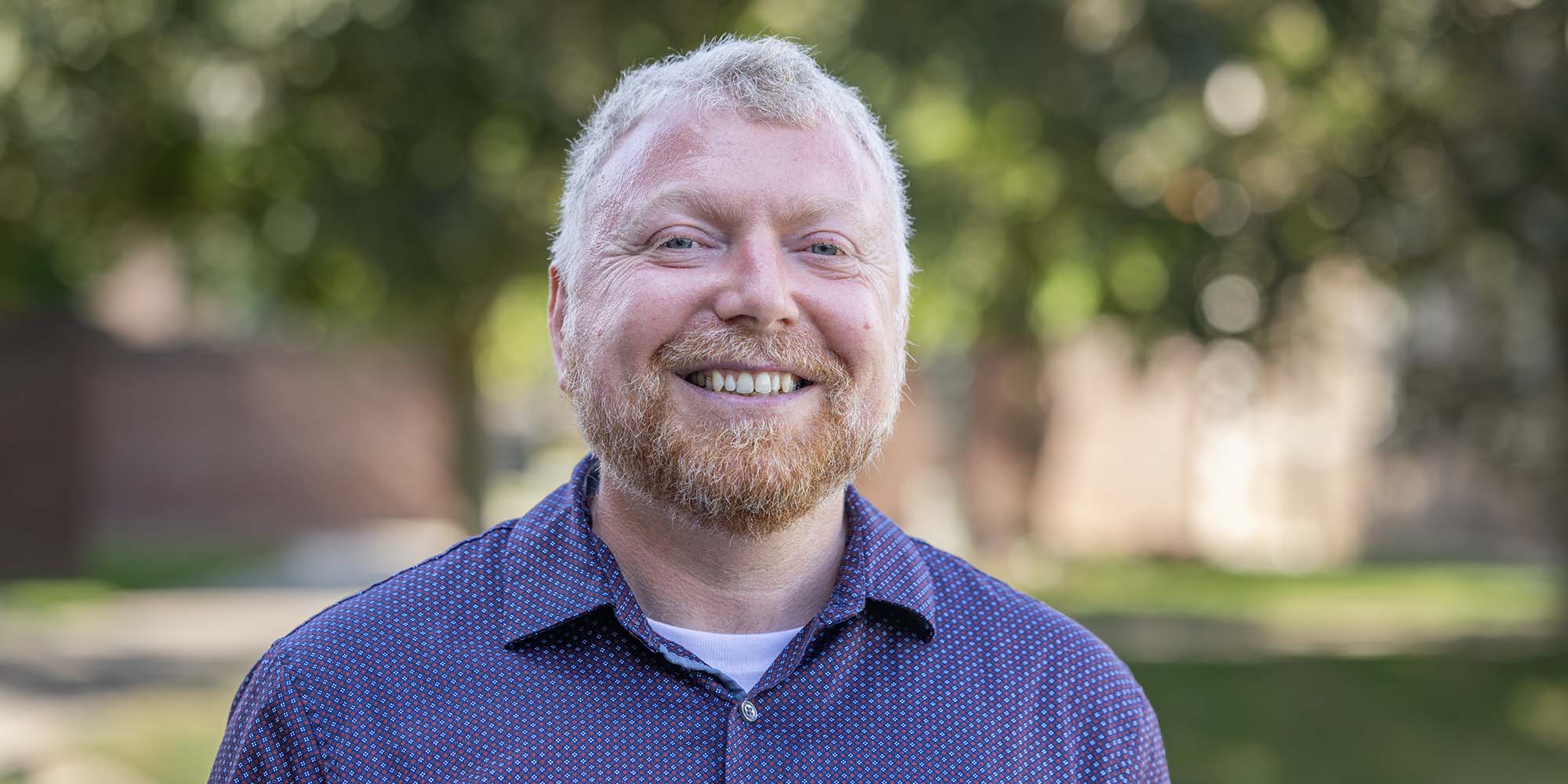
After a national seminar on interfaith understanding, Associate Professor Shalahudin Kafrawi is finding new ways to help students recognize religion’s influence on their lives and the world around them.
Our personal ideas about work, family, citizenship, morality and what constitutes a meaningful life can become so familiar and automatic that we stop noticing where they came from. Religion is among the forces that can shape those ideas, Associate Professor of Religious Studies Shalahudin Kafrawi explains, even for people who do not consider themselves religious.
But by learning about another religion or culture, we can begin to shed light on our ideas through contrast. What once seemed natural or universal becomes discernable, something students can identify and question to better understand.
For Kafrawi, that is part of what a liberal arts education makes possible: Giving students enough distance from familiar assumptions to recognize them as assumptions instead of universal truths.
Religious literacy enables that recognition. Without a grounding in religious history, beliefs and practices, Kafrawi says, students have little basis for teasing out the misinformation in what they hear, read or see about religion.
“If you don't have that literacy, then you let politicians or pundits define religion for you,” Kafrawi says. “You need to have basic knowledge about religion in order to participate in a democratic society.”
9/28/2026
Religious diversity, he explains, simply means multiple religions co-existing in the same space. How we regard and engage with them, however, is a choice. “Religious diversity is a fact, whether people like it or not,” Kafrawi says.
“Religious pluralism is not a given, however. It is an accomplishment that we can achieve if we work toward it — by having engagement and understanding one another,” he adds, echoing Harvard Divinity School Professor Diana Eck, a guru in the study of religious diversity and pluralism.
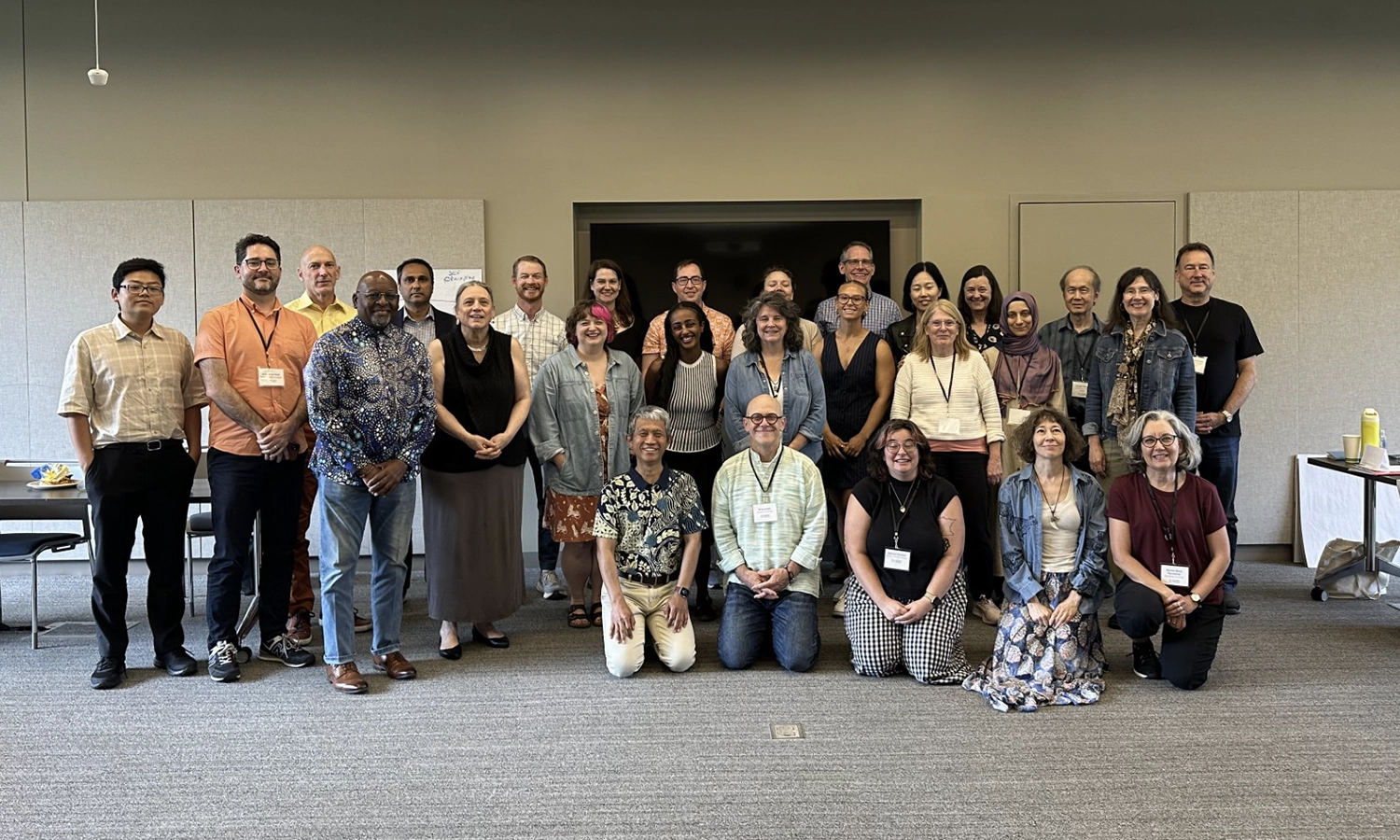
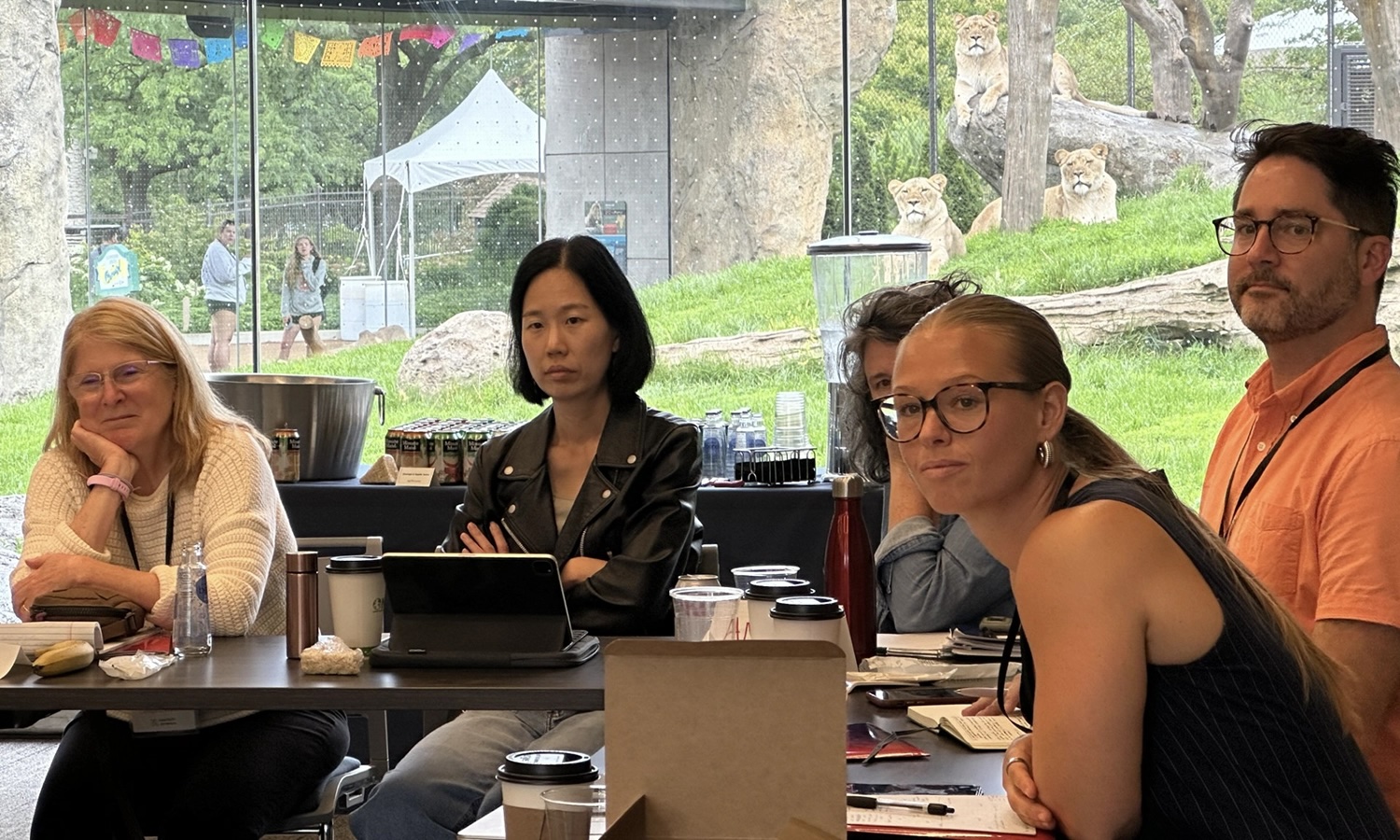
Kafrawi returned to that important distinction this summer in Chicago, where he joined 20 other faculty members from colleges and universities across the country at the Teaching Interfaith Understanding Faculty Seminar at DePaul University. Held June 21-25, the seminar was organized by the Council of Independent Colleges and Interfaith America to strengthen interfaith learning in college classrooms and on campuses.
One result from the seminar may be a new 200-level HWS course on religion and civil society that Kafrawi says he would like to offer.
“This course will explore the roles of religion in our civil societies. It will identify how religious communities locally and globally contribute to the making of civil society.”
Kafrawi drafted the syllabus before the seminar and workshopped it with other participants in Chicago. The course, he says, would ask “What is the role of religion in civil society? How do religious communities contribute to civil society, both locally and globally?”
The questions reach deep into American history.
From abolition and women’s suffrage to the civil rights movement, religion has shaped the country throughout its history and continues to influence political and civic life despite the constitutional separation of church and state, Kafrawi says.
The seminar this summer, he adds, gave him an opportunity to reconsider how explicitly he addresses that reality in his teaching.
Before arriving in Chicago, participants read four books on interfaith learning, wrote case studies examining challenges they had encountered in classrooms or on campuses and prepared syllabi for new or existing courses. During the seminar, participants discussed those cases, workshopped their courses and created “heat maps” identifying assets, challenges and opportunities for interfaith understanding on their campuses.
One of the seminar readings on vocation prompted Kafrawi to consider how differently students might consider their future professions: as a means of earning a living, as a calling, as an expression of faith or a means of serving others.
“What is vocation?” he asks. “Is vocation a job that you do to sustain your life, to get money, or is vocation something that you love to do?”
Religious values, he says, can shape those answers, along with countless other concepts about service and social justice, for example. Discussing religious differences allows students to bring those influences into view and decide for themselves what holds up under examination.
That may be especially important in a country where constitutional protections against government establishment of religion can sometimes be mistaken for evidence that religion is irrelevant in public life.
For Kafrawi, the opposite is clear: religion continues to shape communities, politics and individual lives, whether its influence is recognized or not.
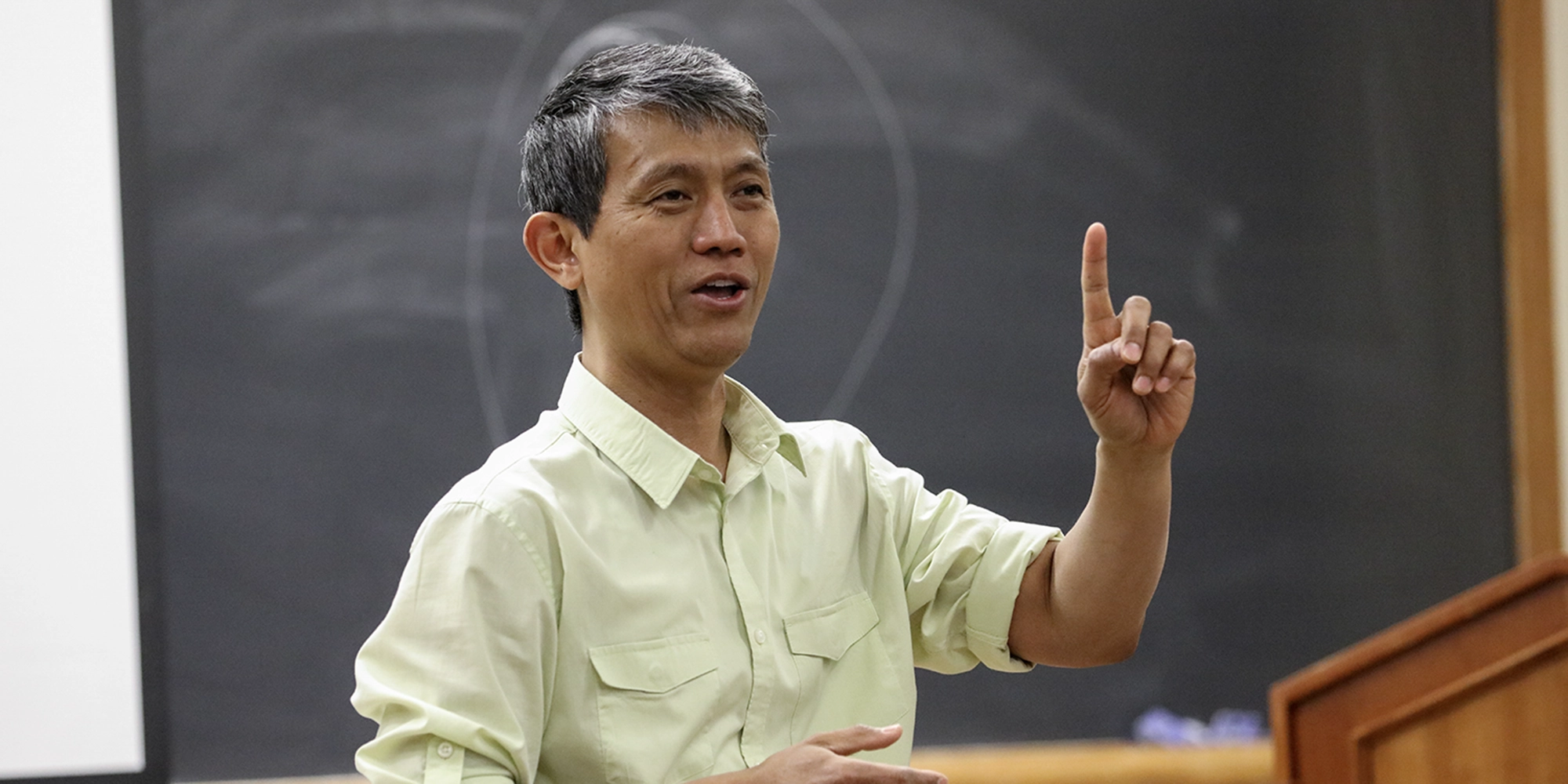
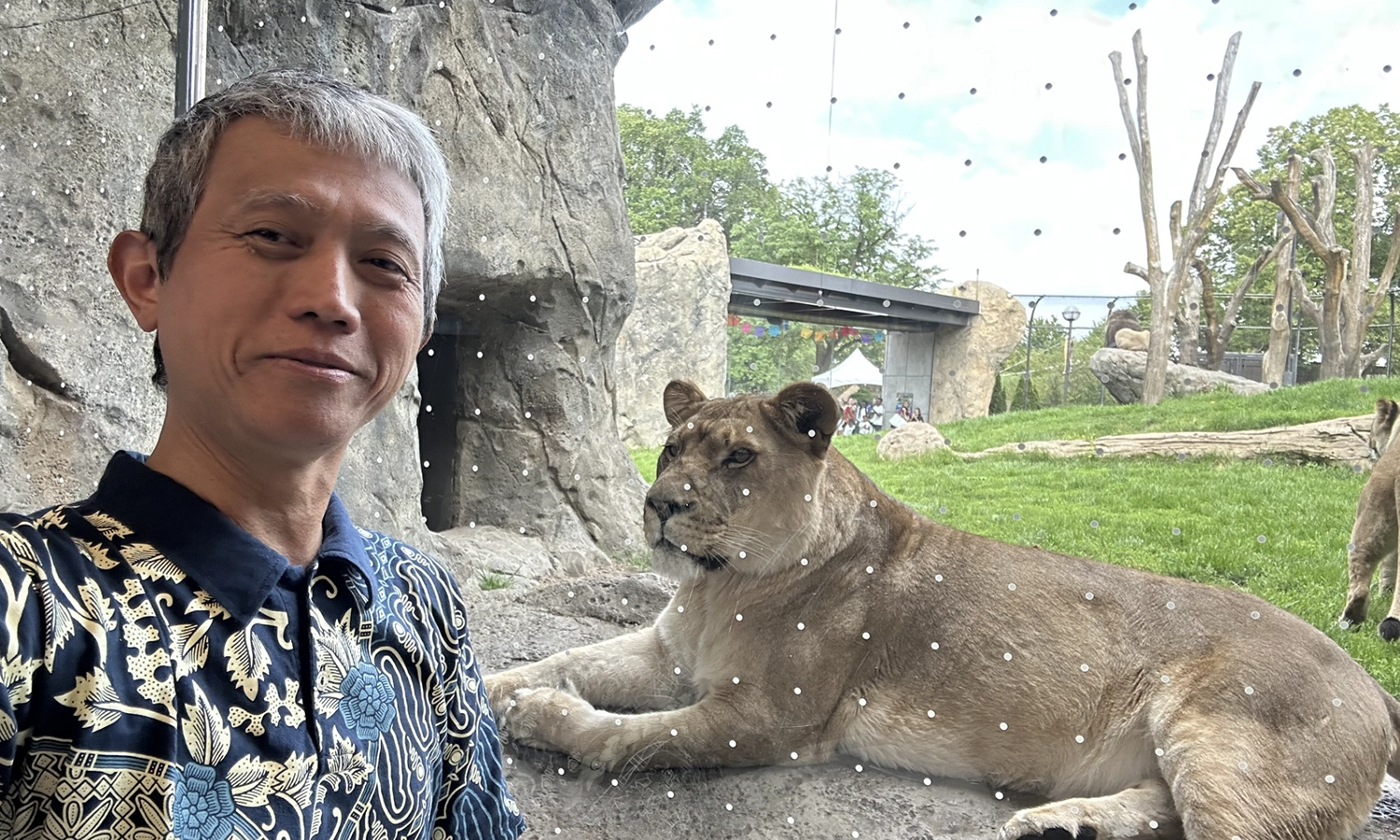
Top: Associate Professor Shalahudin Kafrawi