HWS News
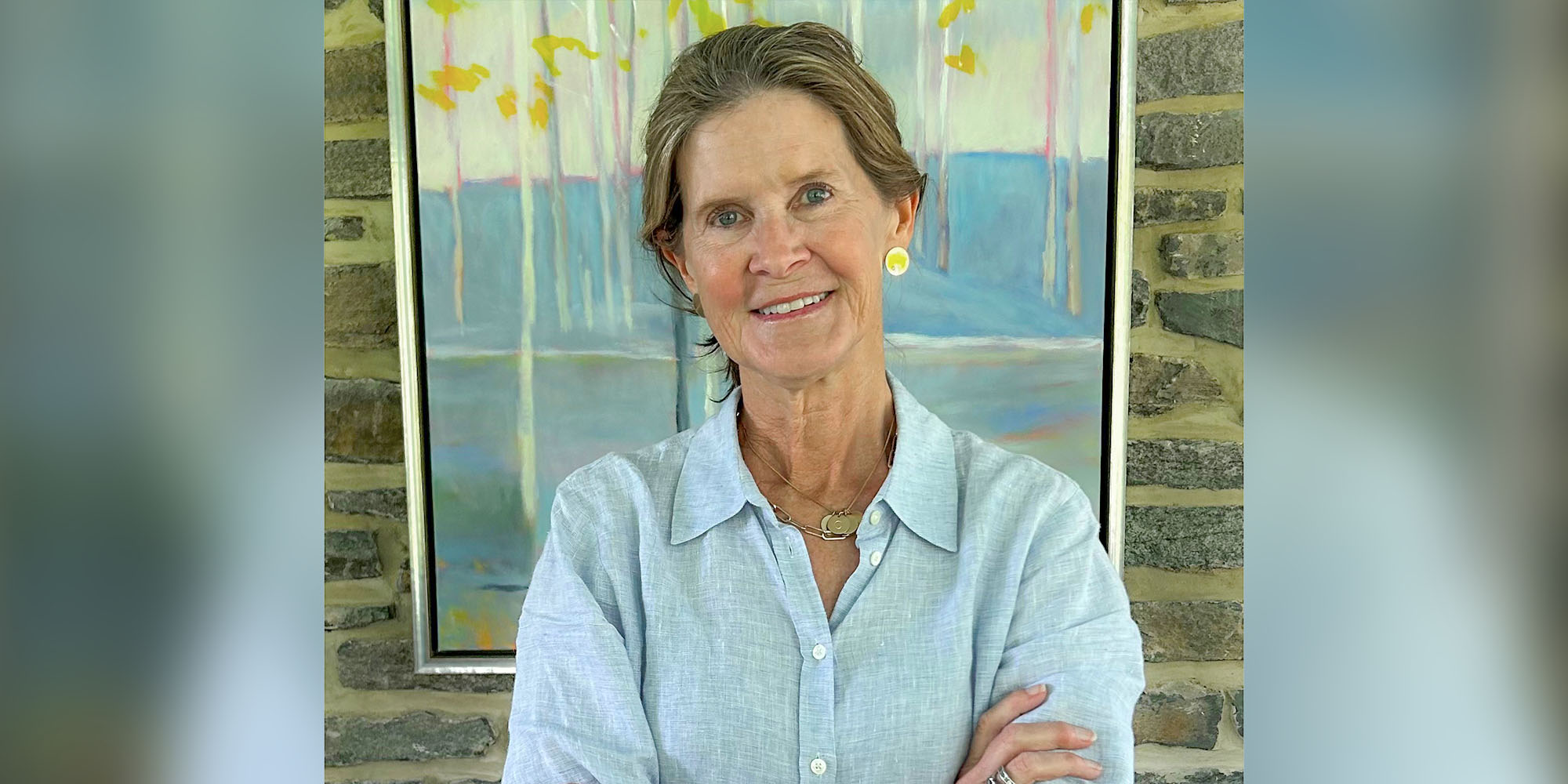
13 July 2026 For Sana Naylor Brooks ’89, Showing Up Matters
Before Paul died, Cassandra “Sana” Naylor Brooks ’89 went searching across Baltimore for a Slurpee. The man she had been visiting in hospice several days a week wasn’t supposed to have one, but after six months in care, she figured he deserved it.
When four different 7-Eleven dispensers were broken, Brooks tracked down the region's only Slurpee repair technician to direct her to a working machine, all so she didn’t have to visit Paul empty-handed.
Paul was not family — only a friend-of-a-friend living in assisted care without relatives nearby. But for Brooks, Vice Chair of the Hobart and William Smith Board of Trustees, finding a way to help is instinctive.
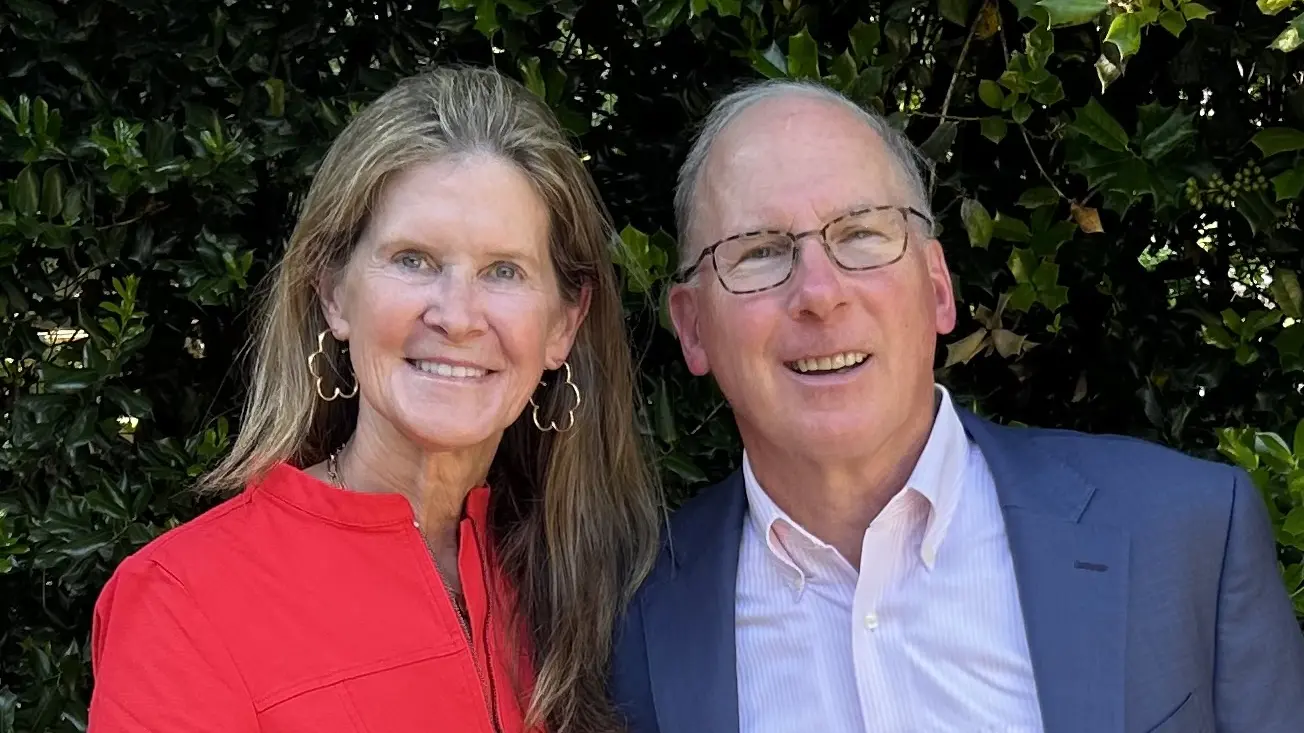
It’s the latest demonstration of leadership from Brooks in a lifetime dedicated to helping others.
An anthropology and sociology double major, she was president of William Smith Congress; member on the William Smith Judicial Board and Finance Committee; Resident Advisor; co-director of the Student Phonathon; member of the Student Tenure Committee; student representative to the Alumnae Council; and co-organizer of Founder’s Day in 1989. She also worked at the campus radio station WEOS-FM, broadcasting NPR and local news.
“I very much wanted to be a newscaster or teacher while I was growing up,” Brooks recalls. “I always liked to be the boss and run things, and I like to see end results.”
She spent the summer after her junior year studying journalism at Boston University and after graduation was offered an internship at a local television station. She remembers: “I was too scared to commit. It seemed all or nothing, and I thought I might not cut it. I should have tried.”
Instead, Brooks went to Johns Hopkins University, where she earned a master’s degree in education before going on to become a teacher and administrator with the Calvert School in Baltimore. She later joined the Odyssey School, also in Baltimore, initially as director of admissions and later as outreach coordinator.
Balancing commitments across many organizations can be difficult, Brooks says, but she believes it is always worthwhile. She learned that lesson early, visiting her bedridden godmother in a nursing home as a child and later visiting her homebound grandmother every day.
Those visits became some of her most meaningful memories, giving her both connection and purpose. Though she often wanted to be with friends instead, her mother reminded her that small acts — holding someone’s hand or sharing conversations — matter deeply to people who are alone.
“They added to the rhythm of my life at the time,” she says. “When they were gone, I missed the person, but I also missed the ‘space’ that their visits had in my life, almost like a sense of purpose, along with the emotional connection and caring.”
So when Paul’s health declined two years ago, Brooks renewed hospice volunteer training she had first completed decades earlier. Hospice care, she says, is less about solving problems than easing burdens for patients and families.
During visits, she and Paul talked about football and childhood memories. She adjusted the blinds to mark the passing day, brought treats and decorations — including a Ravens pennant he loved — and sat with him through months of complications.
When Paul died, Brooks was with him. By then, she shared power of attorney with his sister, helped plan his funeral and had become close with his family.
"He was the kindest, most gentle soul who never complained — not once — as he lay in bed for six months, 24/7, with a flurry of people and patients swirling around him,” Brooks says. "He always thanked me for anything and everything I did, but in the end, he gave me as much or more than I gave him during those visits."
For Brooks, showing up has become a guiding principle. At HWS, she has served on committees dedicated to Admissions and Reunion, on the William Smith Alumnae Council and the Campaign Steering Committee and, since 2016, on the Board of Trustees.
In recent years, she has tried to be more intentional about how she spends her time and attention — writing fewer emails, choosing face-to-face conversations whenever possible and reminding herself to ask more questions before making assumptions. That instinct to move toward difficult moments, even when there is no easy solution, has shaped her work in education, healthcare, community service and at Hobart and William Smith.
Alongside her husband, she has long invested in students through annual support. They established the Presidential Discretionary Fund for Student Support and helped sustain the Colleges through the uncertainty of the pandemic. In 2024, the couple were welcomed into the Seneca Society in recognition of their extraordinary leadership and philanthropy.
Their newest commitment — $2 million to support the sciences and scholarships at HWS — reflects the same belief that has guided so much of Brooks' life: that presence matters, small acts endure and sometimes the most meaningful thing a person can do is simply show up.
“People remember who was there,” she says. “You don't have to solve every problem. You just have to be willing to be present.”