
Curriculum
Curriculum
Program Dates: Sunday July 11 through Saturday July 24, 2027
- How do we use science to describe and understand the environment?
- How are we related to the natural environment?
- How can we examine the complexity of environmental issues from economic, scientific, ethical, humanistic and sustainable perspectives?
- How can we use our tools, ideas and skills to foster and create change?
Session Descriptions
Below are brief descriptions for many of the academic sessions for ESSYI. The schedule changes a little each year, but this list as a whole captures the essence of the ESSYI experience.
Individual Sessions
Environmental Justice and Ethics
Scott Brophy, Professor of Philosophy
Steven Lee, Professor of Philosophy
Kelsey Ward, Assistant Professor of Philosophy
David Finkelstein, Associate Professor of Geoscience
Students learn about the philosophical implications of their personal environmental worldview and how it influences their own desire to move towards environmentally sustainable solutions.
Geography of Garbage
Darrin Magee, Associate Professor of Environmental Studies
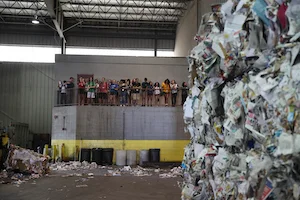
Students travel to a local landfill and conduct classroom activities during which they examine environmental issues related to the creation and disposal of waste.
Forest and Soil Ecology
Susan Cushman, Instructor of Biology
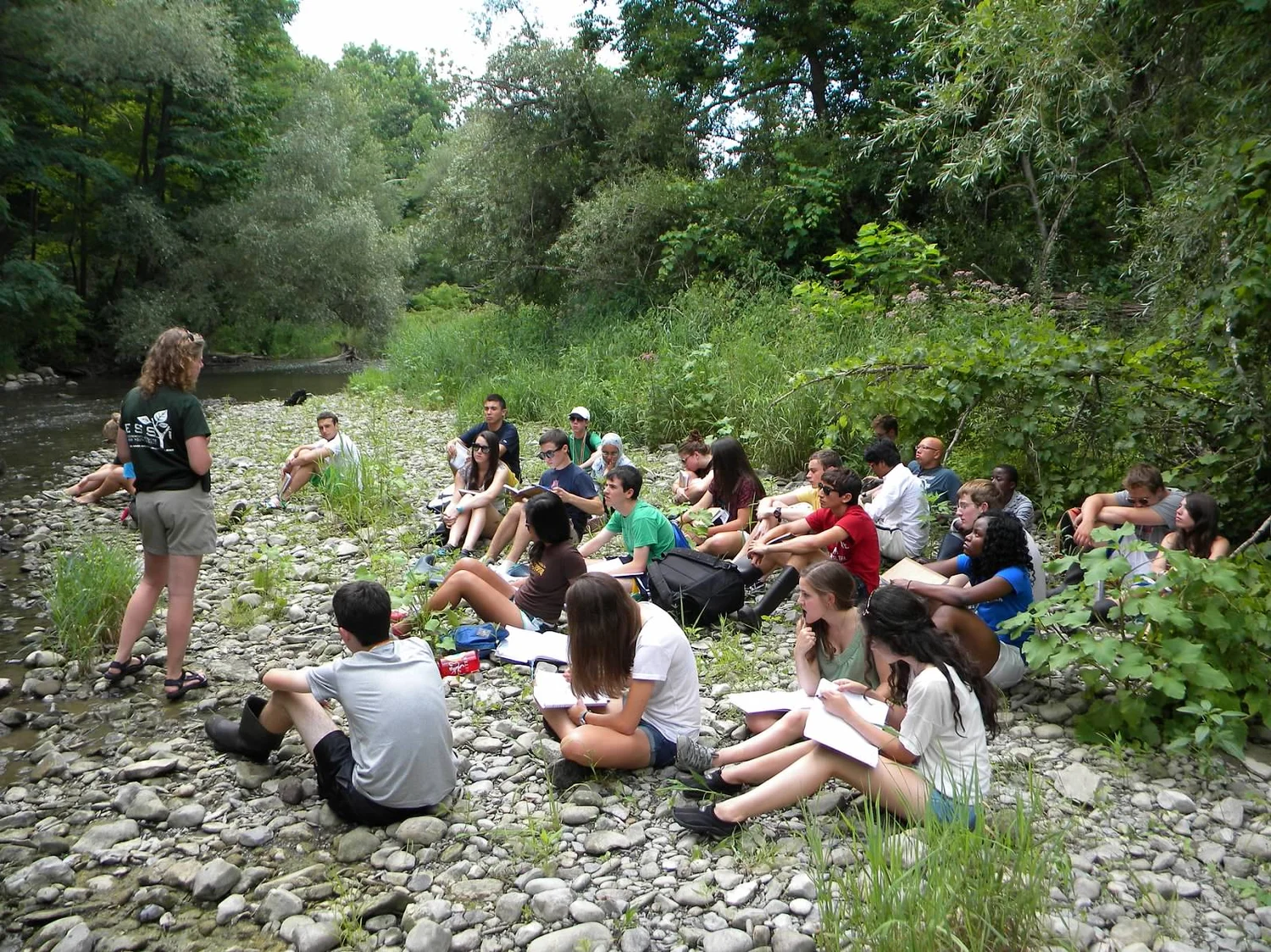
Students conduct field research at Cayuga Nature Center collecting forest biodiversity data.
Aquatic Biology of Seneca Lake
Meghan Brown, Associate Professor of Biology
Tara Curtin, Associate Professor of Geoscience
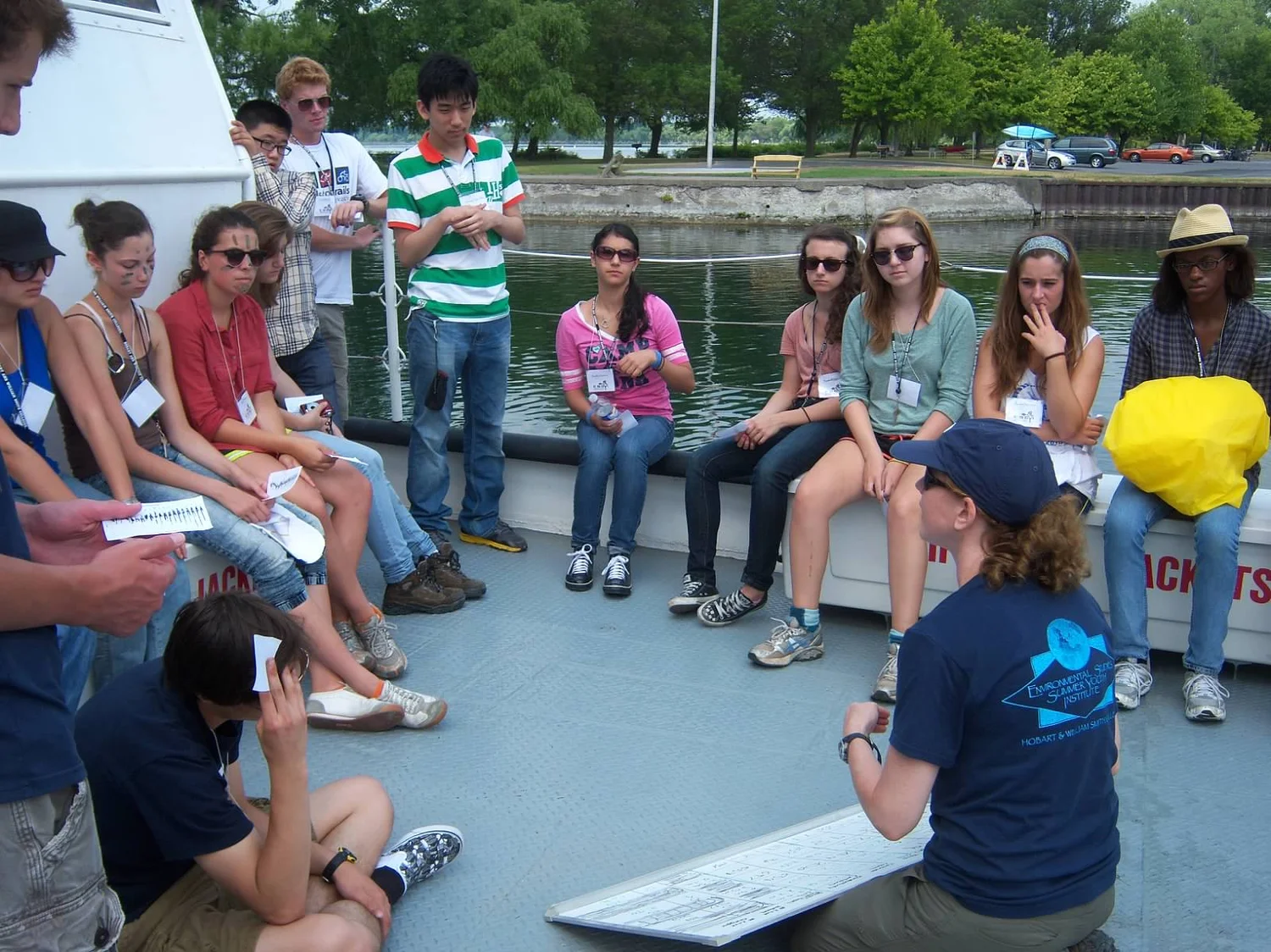
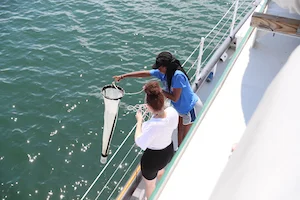
Students spend the morning or afternoon out on Seneca Lake on the W.S. Scandling, a 65 ft research vessel, collecting and analyzing water quality and other ecological data.
Environmental Economics
Tom Drennen, Professor of Economics
Students investigate and analyze a variety of considerations within environmental economics.
Environmental Change in the Indigenous World
K. Whitney Mauer, Assistant Professor of Environmental Studies
Students explore environmental issues as they relate to indigenous populations in terms of history, culture, society, and the ability to respond to an often rapidly changing environment.
Representing Environmental Sustainability
Paul Kehle, Professor of Education
Students consider the ways in which we can represent and analyze issues of environmental sustainability.
Sustainable Community Development
Craig Talmage, Assistant Professor of Entrepreneurial Studies
Students explore the evolving field of sustainable community development, specifically concepts such as social capital and natural capital whilst leveraging real-world cases of positive (and negative) community impact on local quality of life.
Protecting Natural Areas: Zurich Bog
Shannon Straub, Associate Professor of Biology
Julia MaKinster, Professor of Education
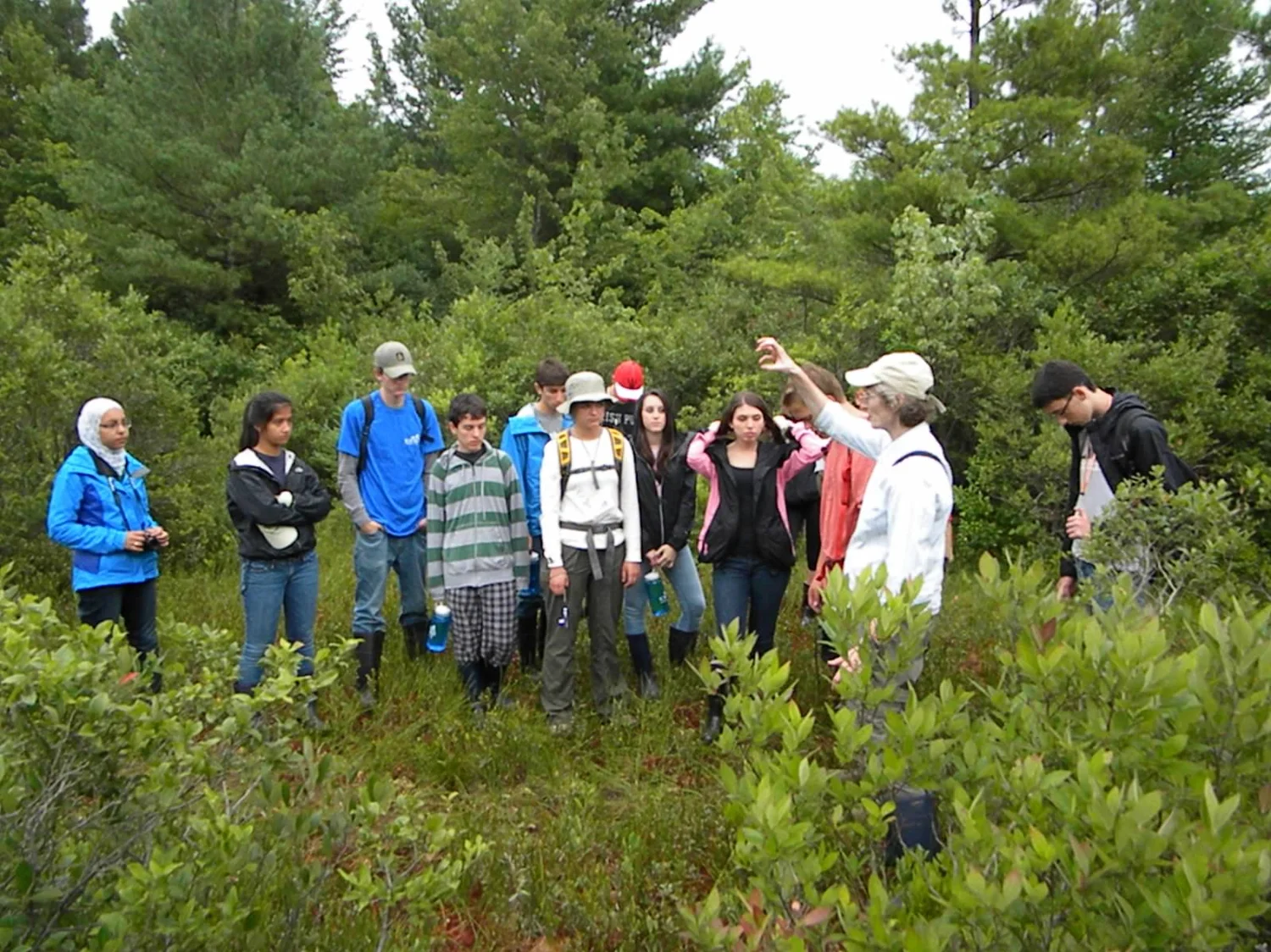
Students spend time at Zurich Bog discussing and observing this natural ecosystem, with an emphasis on biodiversity and conservation.
Energy Policy and Sustainability
Tom Drennen, Professor of Economics
Students spend an afternoon examining alternative energies and energy policy.
Climate Change Law and Policy
Beth Kinne, Associate Professor of Environmental Studies
Students discuss environmental laws and policies related to climate change in both historical and contemporary contexts.
Science and Consequences of Climate Change
Nick Metz, Associate Professor of Geoscience
Students explore the latest science related to climate change and examine current and future meteorological consequences of this change.
Beyond ESSYI
ESSYI College Student Staff
The ESSYI College Student staff present their own academic experience and engage students in a panel discussion focused on the relevance of what they are learning and how it relates to college-level courses and experiences.
Biodiversity Analysis
Susan Cushman, Instructor of Biology
Students review field ecology techniques that are to be used during the Adirondacks Project and learn the calculations necessary for analysis.
Adirondack Natural History
Susan Cushman, Instructor of Biology
Students learn about the Adirondacks’ natural history through a combination of lecture and discussion.
Adirondacks Project
Susan Cushman, Instructor of Biology
Paul Kehle, Professor of Education
Students are provided with the challenge of proposing an eco-lodge based on a series of opportunities, constraints, and the information they gather during a four day trip to the 8-million acre Adirondack State Park.
Panel Discussion: Development vs. Conservation
Adirondack Interpretive Center Staff
Students participate in a panel discussion involving local citizens and professionals focused on development issues in the Adirondacks.
Arts and the Environment
Heather May, Associate Professor of Theatre
Alaina Olivieri, Instructor of Dance
Kirsten Burrall, Instructor of Art
Employing dance, drawing, or acting, students explore environmental themes and issues.
Prospects for the Future
Paul Kehle, Associate Professor of Education
Students engage in a final reflective discussion that synthesizes the past two weeks and helps students develop personal goals for the future.
Global Climate Change
How does ESSYI address global climate change?
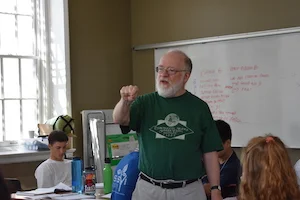
For example, while at ESSYI…
Professor Nick Metz breaks down the science behind to climate change and makes sure every student is knowledgeable regarding the challenges we face.
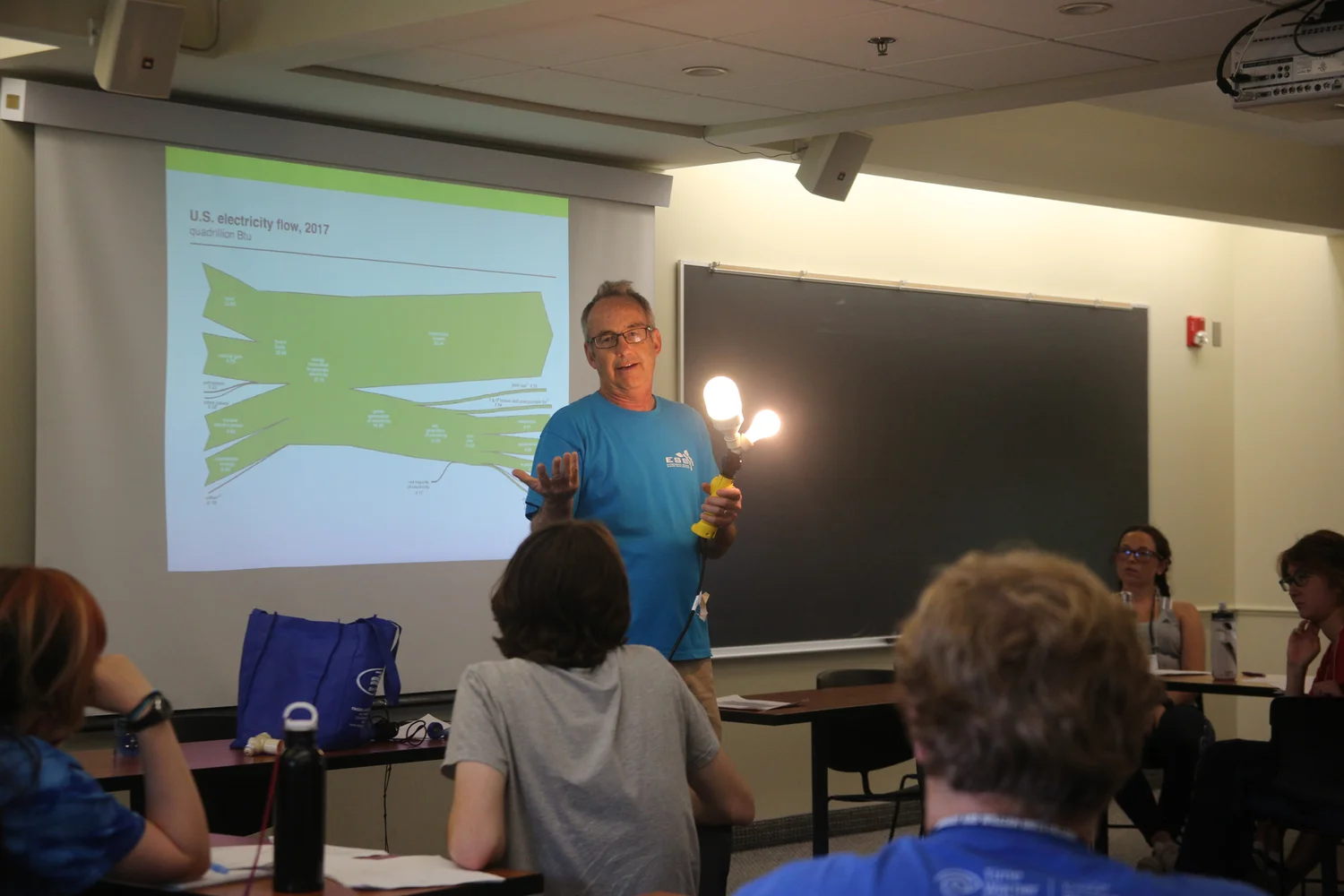
Professor Tom Drennen illustrates a number of concepts and topics in environmental economics and green energy. For example, he helps students to explore energy use among institutions, global fossil fuel reserves, and the viability of permit trading for carbon.
Professor Whitney Mauer reveals some of the ways in which indigenous cultures respond to our rapidly changing environment and how the cost of global climate change is different for communities living in developing countries.
How will ESSYI help you become better equipped to address climate change?
Articulate environmental problems in ways that are clear and accessible
Collect and analyze relevant data (scientific, social science, economic, demographic, etc.)
Evaluate the practicality and viability of proposed solutions
Throughout the program, ESSYI faculty explore a variety of environmental issues, global climate change, and the ways in which problems manifest themselves in a wide variety of contexts.
College Credit
You will be awarded college credit by Hobart and William Smith for successful completion of the course.
(1 HWS credit = 4 semester hours or 4 credit hours)
At the end of the program, you will receive a credit report and a certificate of completion. You will also receive one official transcript sent to an institution or address of your choice. You can request an additional transcript from the Registrar of HWS if you decide to transfer credit to another undergraduate institution (see Academic Transcripts partway down the page). Please note that each college and university has its own policies on the transferring of credit.